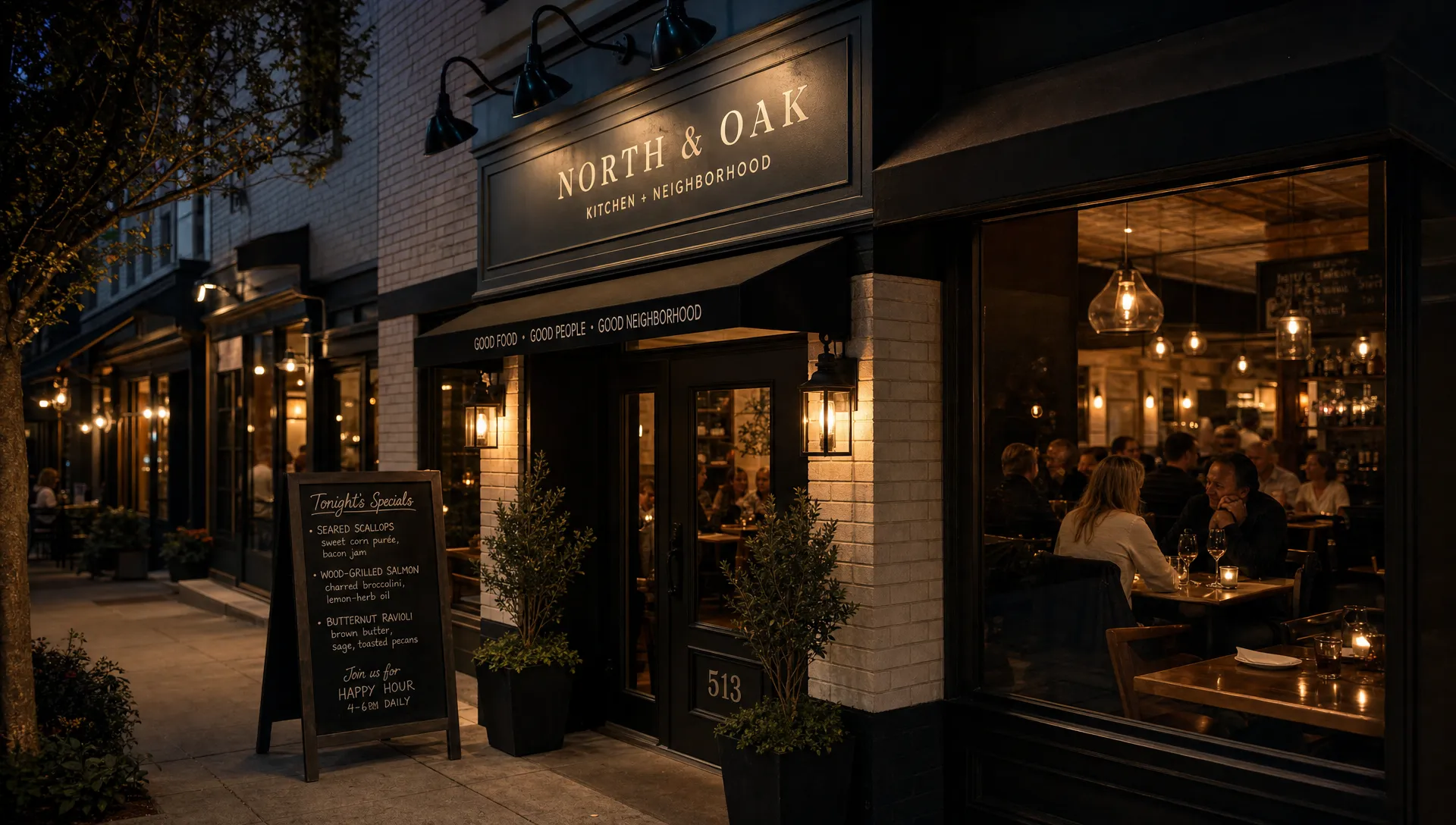
Restaurant rebranding is not about making a dining room look newer. It is about giving guests a fresh reason to return without making them feel the place they loved has disappeared.
That distinction matters most for restaurants with regulars. A challenger brand can win attention with a sharper identity, updated interiors, a cleaner menu and a more confident digital presence. But if the rebrand erases the habits, dishes and rituals that made people loyal in the first place, the launch can create curiosity without repeat visits.
The best restaurant rebranding works like a promise: we are improving the experience you already care about. For independent restaurants, regional groups and hospitality teams entering a more competitive market, that promise needs to show up everywhere from signage and menu language to service scripts, reservations, delivery listings and the way staff explain what changed.
The real goal is not change, it is renewed relevance
Restaurants rebrand for different reasons. Some need to recover from dated visuals. Some have outgrown their original concept. Others are adapting to a new neighborhood, a new chef, a new owner or a more demanding customer base.
The mistake is treating all of those situations like a design problem. A new logo can help, but it cannot fix unclear positioning, menu sprawl, inconsistent service or a dining room that no longer matches the price point.
A strong restaurant rebrand starts with a sharper business question: what should people believe about us now that makes them want to come back more often?
For regulars, that belief is usually practical and emotional at the same time. They want to know that the food is still worth the trip, the welcome is still familiar, the value still makes sense and the new experience feels intentional rather than cosmetic.
Diagnose why regulars stopped coming in
Before you change the brand, study the behavior you want to reverse. Regulars rarely leave because a restaurant has one weak touchpoint. They drift when the overall experience becomes less compelling than their memory of it or less convenient than the alternatives around them.
Look for patterns in places where guests already leave clues:
- POS data that shows frequency drops, daypart weakness or declining attachment to signature items
- Reservation notes and cancellations that reveal occasion shifts
- Review language that mentions value, atmosphere, service pace, noise, cleanliness or consistency
- Social comments and direct messages that compare the old experience to the current one
- Staff feedback from hosts, servers, bartenders and managers who hear objections in real time
- Delivery and Google Business Profile performance, especially if off-premise demand now shapes perception
This research keeps the rebrand honest. If regulars still love the food but feel the room has lost energy, the solution is different from a restaurant whose menu is no longer understood. If lunchtime regulars disappeared after pricing changed, no amount of visual polish will bring them back unless the offer feels clear again.
Boil has covered the broader principle in its guide to rebranding without losing your audience: you need to know what customers recognize before deciding what to replace.
Protect the memory assets that carry trust
In restaurant branding, the most valuable assets are not always the most obvious ones. Guests may not remember the exact typeface on the menu, but they remember the dish they recommend to friends, the corner table they ask for, the way the host greets them or the handwritten tone of a specials board.
These are memory assets. They help people connect the new version of the restaurant to the version they already trust.
Before creative work begins, divide existing assets into three groups: protect, evolve and retire.
| Brand element | Question to ask | Likely action |
|---|---|---|
| Signature dishes | Do regulars name this item when recommending us? | Protect or evolve carefully |
| Restaurant name | Does it still carry recognition and fit the future concept? | Protect unless it blocks growth |
| Interior rituals | Does this behavior make guests feel known? | Protect and train consistently |
| Visual identity | Does it signal the right price, cuisine and energy today? | Evolve or replace |
| Menu structure | Does it help people order confidently? | Simplify or redesign |
| Tone of voice | Does it match the hospitality experience? | Refine for consistency |
| Digital presence | Does it reduce friction for booking, ordering or visiting? | Rebuild if needed |
This is where many restaurant rebrands go wrong. They change too much because the old identity feels tired internally. But guests experience a restaurant less frequently than the team does. What feels stale to staff may still feel reassuring to customers.
The goal is not nostalgia. It is continuity. Keep the parts that earn trust and improve the parts that limit growth.
Choose the right type of restaurant rebranding
Not every restaurant needs a dramatic relaunch. In fact, the more loyalty you already have, the more careful you should be about the scale of change.
Brand refresh
A refresh is right when the core concept still works, but the presentation has fallen behind. The menu may need clearer design. The signage may look dated. The website may not match the quality of the food. The dining room may need a more current atmosphere without changing the essence of the place.
A refresh tells regulars: you still know us, but we are taking better care of the experience.
Repositioning
Repositioning is needed when the restaurant has to stand for something sharper. Maybe a casual neighborhood bistro wants to become a destination for seasonal cooking. Maybe a family restaurant is adapting to a younger local audience. Maybe a bar with great food needs to be taken seriously for dinner.
Repositioning changes the role the restaurant plays in the market. It should affect messaging, menu architecture, pricing cues, photography, interiors and the way staff describe the concept.
Relaunch
A relaunch fits bigger shifts: new ownership, a new chef, a different cuisine, a new format or a major market entry. This is the riskiest path for regulars because it can feel like a replacement instead of an improvement.
If you relaunch, communicate the reason clearly. People are more forgiving of change when they understand why it improves the experience.
Build the new brand around return triggers
A restaurant rebrand should not begin with “What should it look like?” It should begin with “What will make someone come back next week?”
Return triggers are the specific reasons guests repeat a visit. They may include a signature dish, a reliable lunch offer, a celebratory atmosphere, a bartender people trust, a patio that feels like a local ritual or a menu that makes healthy choices easy without feeling restrictive.
Once you identify those triggers, the brand should amplify them. If the return trigger is a craveable hero dish, photography, menu placement and social content should make it unmistakable. If the trigger is a warm neighborhood welcome, the interior language, signage and staff training should make that hospitality visible.
Audience research should also look beyond restaurant reviews. For example, if a concept is moving toward protein-led breakfasts, recovery bowls or lighter menus, guest expectations may be shaped by nutrition guides, wellness communities and fitness and wellness resources as much as by local competitors.
That does not mean chasing trends. It means understanding the language customers already use, then translating your offer in a way that feels natural to your brand.
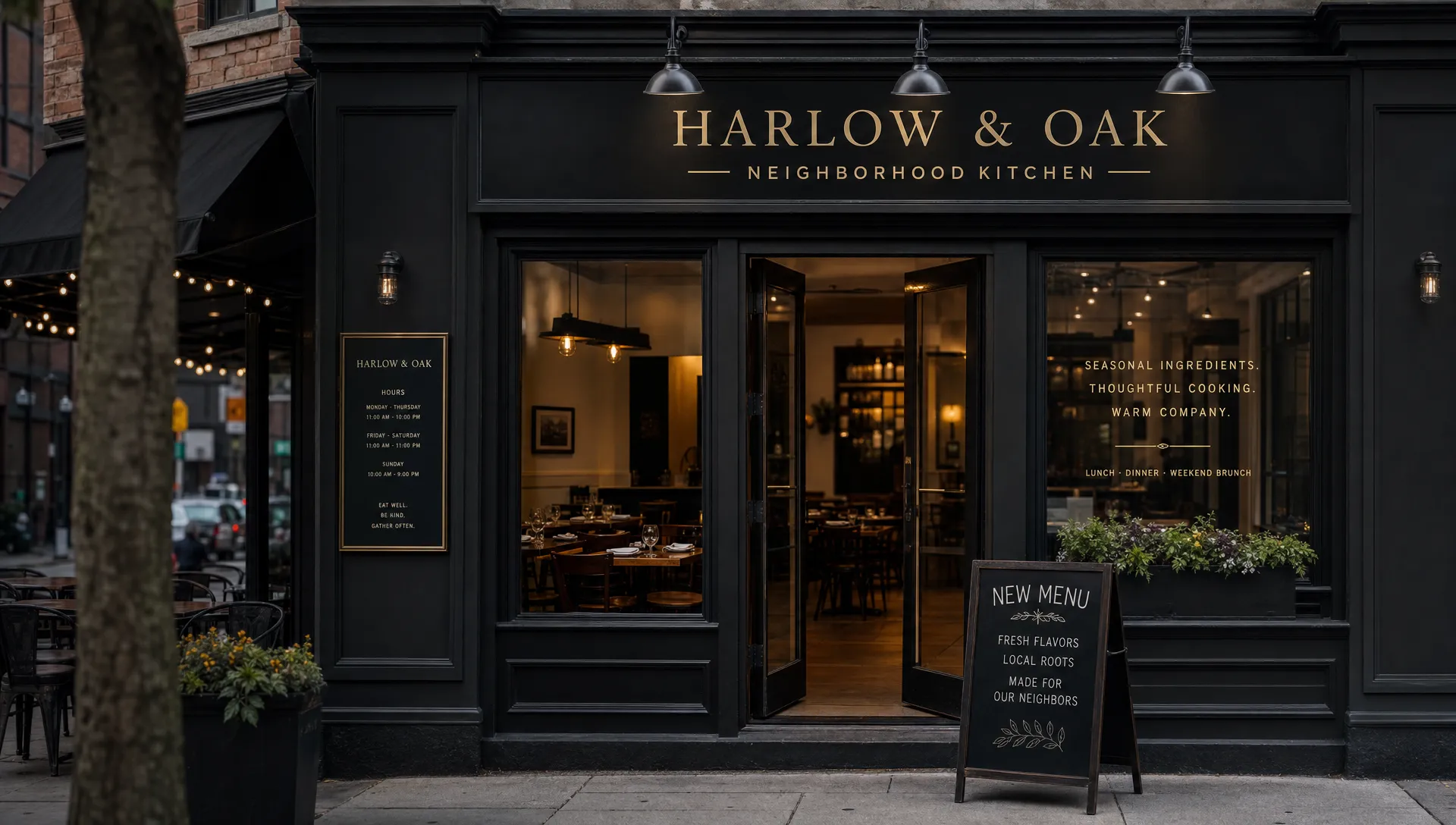
Make service part of the rebrand, not an afterthought
A restaurant brand is delivered by people before it is delivered by design. If the team cannot explain the rebrand simply, guests will fill the gap with suspicion.
Staff should know what changed, what stayed the same and why it matters to guests. A server should be able to say, “We tightened the menu around the dishes people come back for most,” or “The room is new, but the kitchen team and our best-loved dishes are still here.”
That kind of language does more than answer questions. It reassures regulars that the rebrand was built with them in mind.
Train the team before public launch. Let them taste new dishes, walk through the updated space, practice guest explanations and flag points of confusion. If employees feel surprised by the rebrand, customers will feel it too.
Sequence the rollout so regulars feel invited
A restaurant rebrand should not appear overnight unless there is a strong reason for secrecy. Regulars like to feel included, especially when the restaurant has been part of their routine for years.
A smart rollout creates small signals before the big reveal. You might tease renovations, show menu testing, explain the thinking behind retained classics or invite loyal customers to a soft opening. The point is not to overexplain the creative process. The point is to make change feel like care.
A simple rollout sequence can work well:
- Start with internal alignment so staff, managers and owners use the same language
- Tell loyal guests first through email, in-person conversation or reservation notes
- Update high-friction touchpoints before launch, especially Google, menus, booking links and delivery profiles
- Use launch week to explain what is new and what regulars will still recognize
- Follow up after launch with proof, including guest reactions, menu highlights and team stories
For a deeper look at sequencing, Boil’s article on launching a rebrand without confusing customers is especially relevant to restaurants, where the guest experience is spread across many touchpoints.
Audit every touchpoint before you launch
Restaurant rebranding fails when the experience is inconsistent. A guest sees the new Instagram, clicks to an old website, checks an outdated menu, arrives under old signage and hears a staff member describe the concept in a different way.
Before launch, map the full journey from discovery to repeat visit.
| Touchpoint | What to check before launch | Why it matters |
|---|---|---|
| Storefront and signage | Name, hours, visual identity and street-level clarity | Sets expectations before entry |
| Google Business Profile | Photos, menu, booking link, category and opening hours | Often the first decision point |
| Website | Positioning, menu, reservations, private dining and location details | Converts interest into action |
| Menu design | Readability, pricing cues, dish hierarchy and retained favorites | Guides confidence and spend |
| Social channels | Bio, pinned posts, photography style and launch explanation | Builds familiarity before the visit |
| Delivery platforms | Item names, photography, packaging cues and descriptions | Protects brand perception off-premise |
| Staff language | Greeting, rebrand explanation and recommendations | Turns uncertainty into reassurance |
| Loyalty and email | Regular-facing message, invitation and reason to return | Brings lapsed guests back directly |
The most important touchpoints are not always the most glamorous. Google photos, menu PDFs, booking widgets and delivery descriptions may do more to shape first impressions than a beautifully designed brand deck.
Announce the rebrand with confidence and humility
Regulars do not need a long manifesto. They need to know that the restaurant is improving, that the team understands what people loved and that the new experience is worth their next visit.
A strong announcement should cover four points:
- What is changing
- What is staying familiar
- Why the change improves the guest experience
- When and how people can experience it
For example, a neighborhood restaurant might say: “We have refreshed the dining room, simplified the menu around our most-loved dishes and added new seasonal plates from the kitchen. The team, the welcome and the classics regulars ask for are still here.”
That message is clear because it connects change to benefit. It also reduces anxiety by naming continuity.
Avoid vague claims like “a bold new era” or “an elevated concept” unless you can translate them into guest value. A diner does not return because the brand is elevated. They return because the food is better, the room feels right, the booking is easier, the value is clearer or the experience fits the occasion they care about.
Measure whether regulars are actually coming back
Launch buzz is useful, but the real test is repeat behavior. A restaurant rebrand that attracts one-time curiosity without improving frequency has not solved the core problem.
Track indicators that show whether regulars are reconnecting:
- Repeat visit rate among loyalty members or reservation profiles
- Rebookings within 30, 60 and 90 days after launch
- Sales performance of retained signature dishes compared with new items
- Guest sentiment in reviews and post-visit feedback
- Direct mentions of the new experience from regulars
- Daypart recovery, especially if lunch, brunch or weekday dinner had softened
- Email engagement from past customers invited back
Qualitative feedback matters too. If guests say, “It feels like you, just better,” that is a strong sign. If they say, “I did not realize this was the same place,” you may have under-communicated continuity or removed too many recognition cues.
Common mistakes that keep regulars away
The most common restaurant rebranding mistakes are not creative failures. They are failures of empathy and sequencing.
One mistake is removing favorite dishes too quickly. If a beloved item no longer fits the future menu, consider a transition period, a limited return or a clear replacement. Another mistake is changing the name, interiors, menu and service model all at once without explaining the reason. Guests can absorb change, but they need anchors.
Restaurants also lose momentum when the launch is treated as the end of the project. A rebrand needs post-launch content, in-room storytelling, staff reinforcement and ongoing offer refinement. The first month should prove the promise repeatedly.
Finally, do not let design language replace hospitality language. Terms like “premium casual,” “modernized identity” and “visual system” may be useful internally, but guests respond to clearer signals: easier booking, better lunch, warmer service, a room that feels alive and food they want to recommend.
Frequently Asked Questions
When should a restaurant consider rebranding? A restaurant should consider rebranding when the current identity no longer reflects the food, audience, price point, experience or growth ambition. It is also useful after ownership changes, menu shifts, market entry or a decline in repeat visits.
How do you rebrand a restaurant without losing regulars? Start by identifying what regulars already trust, then protect those assets during the rebrand. Communicate what is changing, what is staying familiar and how the new experience improves their next visit.
Should a restaurant change its name during a rebrand? Only change the name if it blocks growth, causes confusion or no longer fits the concept. If the name carries strong local recognition, it may be smarter to refresh the identity around it.
What is the biggest risk in restaurant rebranding? The biggest risk is making the restaurant feel unfamiliar to loyal guests without giving them a clear reason to return. A successful rebrand balances renewal with recognizable cues.
How long does a restaurant rebrand take? Timing depends on the scale of change. A light refresh may move faster, while a full relaunch involving interiors, menus, digital touchpoints, photography and staff training needs a more deliberate rollout.
Bring regulars back with a rebrand built for growth
Restaurant rebranding should sharpen your position, improve the guest experience and give past customers a reason to return. It should not erase the trust you have already earned.
If your restaurant, hospitality group or food concept is ready to reposition for growth, Boil helps ambitious brands build the strategy, identity, digital experience and go-to-market plan needed to stand out without losing what made people care in the first place.
